 English
 हिंदी
हिंदी
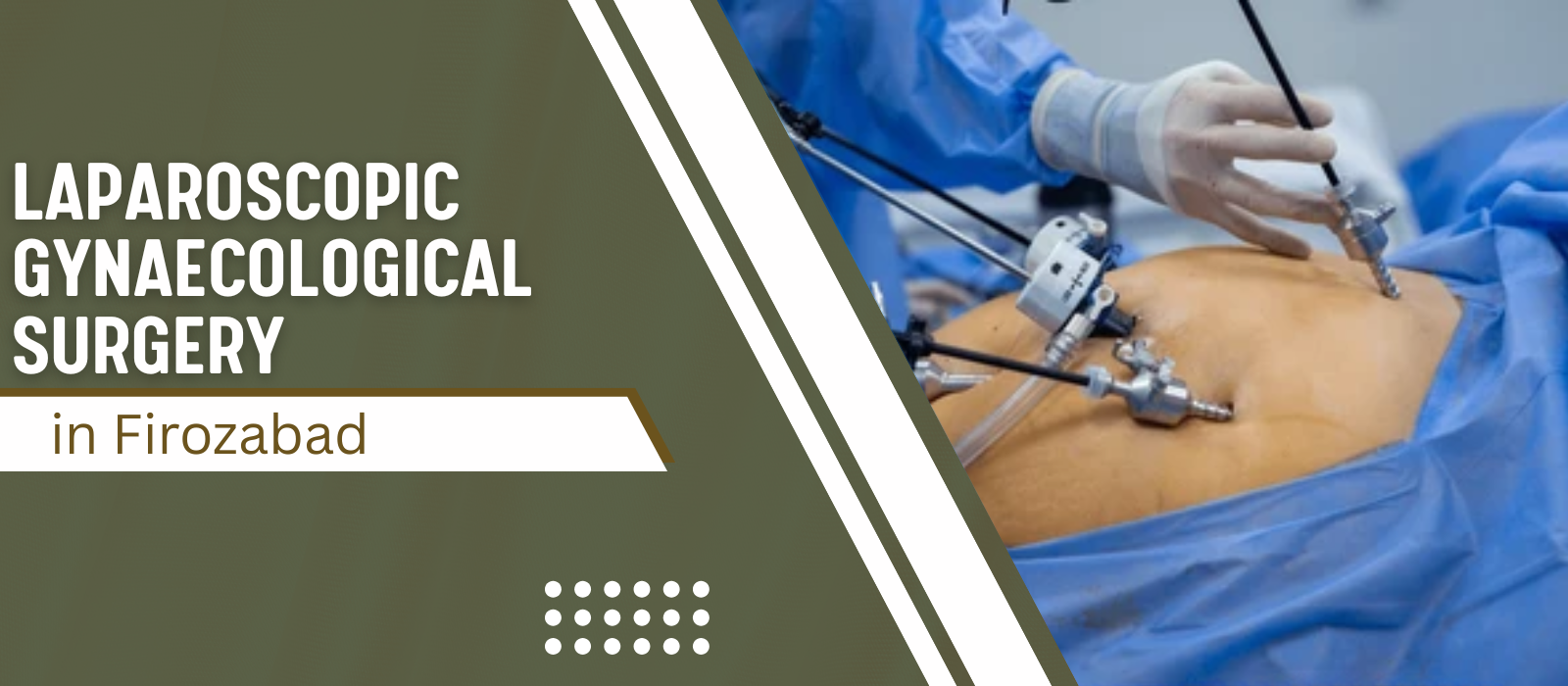
Laparoscopic Gynaecological Surgery in Firozabad
For decades, women in Firozabad who needed surgery for fibroids, ovarian cysts, or endometriosis had only one option, which was open abdominal surgery with long incisions, a week or more in the hospital, and weeks of painful recovery at home. Things have changed completely. Laparoscopic gynaecological surgery in Firozabad now offers the same surgical correction through tiny half-centimetre cuts, with patients walking out of the hospital in two or three days and back to normal life much faster.
Dr. Pratibha Mittal, a trusted IVF doctor and laparoscopic gynaecologist in Firozabad, explains, “Open surgery used to be the only way to treat many gynaecological conditions. Laparoscopy has changed that completely. Smaller cuts, clearer vision inside the abdomen, less blood loss, faster recovery. For women who want their bodies treated gently and respectfully, this is now the gold standard.”
At Mittal Nursing Home & IVF Centre, laparoscopic surgery is performed in a facility that was the first of its kind in Firozabad. From simple ovarian cyst removal to complex endometriosis excision and laparoscopic myomectomy, every case is handled in-house with metro-hospital-grade equipment, so patients do not have to travel to Delhi or Agra for advanced minimally invasive care.
Wondering if laparoscopic surgery is right for your condition? Let’s look at when it is the better choice and what it can treat.
Some of the most common conditions treated include:
Introduction to Laparoscopic Gynaecological Surgery
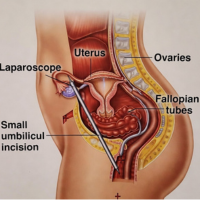
Laparoscopic gynaecological surgery is a minimally invasive surgical technique where the surgeon performs operations inside the abdomen through small keyhole incisions instead of one large cut. A thin instrument called a laparoscope, fitted with a high-definition camera and light, is inserted through one of these small openings, while fine surgical instruments are passed through the others to perform the actual procedure.
What makes laparoscopy so different from traditional open surgery is the level of precision it allows. The camera magnifies the internal view many times over, so the surgeon can see structures like the ovaries, fallopian tubes, uterus, and surrounding tissues with much greater clarity than the naked eye can manage during open surgery. This often translates into more accurate work, less tissue damage, and better outcomes.
In Dr. Pratibha Mittal’s experience as one of the leading IVF doctors in Firozabad and laparoscopy specialists, the shift to minimally invasive surgery has been transformative for patients. Procedures that once required week-long hospital stays and months of recovery can now be completed as short-stay surgeries with women returning to work and family life within two weeks.
Conditions Treated with Laparoscopic Gynaecological Surgery
Ovarian Cysts
Cysts that are persistent, large, or suspicious on scans can be removed laparoscopically while preserving the healthy ovarian tissue around them.
Uterine Fibroids
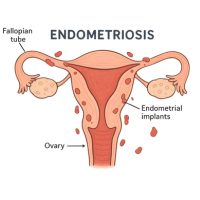
Endometriosis
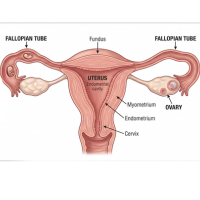
Ectopic Pregnancy
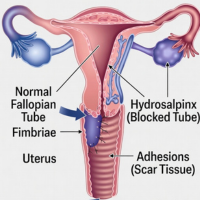
Tubal Blockages and Adhesions
Blocked fallopian tubes or post-infection adhesions can be addressed laparoscopically, sometimes restoring natural fertility, and in other cases opening the path to ICSI treatment or other assisted reproductive options.
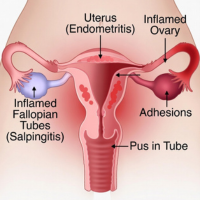
Pelvic Inflammatory Disease
Severe or chronic PID with abscesses or adhesions can be drained and cleared laparoscopically.
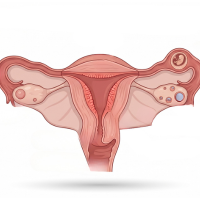
Hysterectomy
Diagnostic Laparoscopy for Infertility
When the cause of infertility is unclear after all tests, a diagnostic laparoscopy can reveal hidden endometriosis, adhesions, or tubal problems that nothing else picked up.
When the cause of infertility is unclear after all tests, a diagnostic laparoscopy can reveal hidden endometriosis, adhesions, or tubal problems that nothing else picked up.
Want to know if your case can be handled laparoscopically? Let’s discuss the options that fit you best.
Benefits of Laparoscopic Gynaecological Surgery
There is a reason laparoscopy has become the preferred choice for most modern gynaecologists, since the benefits stretch far beyond just smaller scars. Here is what really changes for the patient:
Smaller Incisions
Three to four tiny cuts of half a centimetre each, instead of one long abdominal scar.
Reduced Post-Operative Pain
Smaller wounds mean less pain after surgery, and most patients need only mild painkillers for a couple of days.
Shorter Hospital Stay
Most laparoscopic gynaecological procedures need a hospital stay of just one to two days, compared with five to seven for open surgery.
Faster Return to Normal Life
Women are usually back to light routine activities within a week, and most return to full work within two to three weeks.
Less Blood Loss
Because the surgery is more precise and the magnified view is so clear, blood loss is significantly lower than open surgery.
Lower Risk of Infection
Smaller wounds heal faster and are far less prone to wound infections compared with large abdominal incisions.
Better Fertility Outcomes
For women hoping to conceive, including those preparing for IVF treatment, laparoscopy preserves reproductive anatomy and improves the chances of pregnancy.
Not sure if ICSI is the right treatment for you?
Get a complete male and female fertility evaluation at Mittal Nursing Home & IVF Centre, Firozabad. Dr. Pratibha Mittal will review your case and give you a clear, honest treatment recommendation — no unnecessary tests, no vague answers.
The Laparoscopic Surgery Procedure Explained
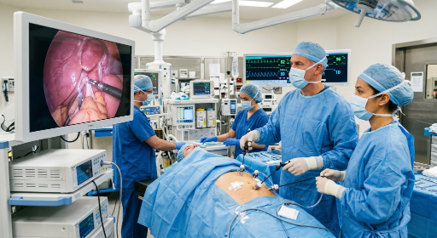
Most patients walk into the clinic with a long list of fears about surgery, which is completely natural, but once they understand how the laparoscopic procedure actually unfolds, much of that anxiety lifts. Here is what happens, step by step:
1. Pre-Surgery Counselling
Dr. Mittal personally reviews your scans and reports, explains exactly what she plans to do, and walks you through every step with straightforward answers to your questions.
2. Anaesthesia
Laparoscopic surgery is always performed under general anaesthesia by an experienced anaesthetist, so you feel absolutely nothing during the procedure.
3. Creating Small Incisions
Three to four tiny cuts are made on the abdomen, usually one near the navel and the others lower down, each about half a centimetre long.
4. Inflating the Abdomen
Carbon dioxide gas is gently introduced into the abdomen to lift the abdominal wall away from the organs, creating clear working space for the surgeon.
5. Insertion of Laparoscope
The thin camera-fitted scope is passed through the navel incision, projecting a magnified, high-definition view of the internal organs onto a monitor in the operating room.
6. Surgical Correction
Fine surgical instruments are passed through the other small incisions to perform the actual surgery, whether that means removing a cyst, excising endometriosis, or removing a fibroid.
7. Closure and Recovery
Once the procedure is complete, the gas is released, the small incisions are closed with absorbable stitches or surgical glue, and you are shifted to recovery.
The advanced laparoscopic setup at Mittal Nursing Home & IVF Centre matches what you would expect at a top-tier metro hospital, with the difference being that you receive personal care from a doctor who knows your case from start to finish.
Pre-Operative Preparations for Laparoscopic Surgery
Good preparation makes the surgery smoother, the recovery faster, and your overall experience much calmer. A few days before the procedure, Dr. Mittal will arrange the standard pre-operative investigations, which usually include blood work, an ECG, a chest X-ray if needed, and a pre-anaesthesia check to make sure your body is ready for general anaesthesia.
Fasting is one of the most important parts of the preparation. You will be asked to stop eating solid food at least 8 hours before the surgery and stop fluids about 6 hours prior, since the procedure is done under general anaesthesia and a fully fasted stomach keeps things safer. It is equally important to inform Dr. Mittal about every medication you are taking, especially blood thinners, diabetes medication, or hormonal pills, since some of these need to be paused beforehand.
For certain procedures involving endometriosis or pelvic adhesions, a light bowel preparation may be advised the day before surgery. Most patients are admitted on the morning of surgery itself, with all paperwork, anaesthesia consent, and pre-op checks completed in a calm and clear sequence. Surgery is never just physical, so give yourself permission to ask every question beforehand, since walking in feeling informed and supported makes a real difference to how you experience the day.
Recovery Process and Aftercare
Recovery after laparoscopic surgery is usually far gentler than what most women expect, especially compared to traditional open surgery. In the immediate post-op period, you will rest for a few hours in the recovery area, with mild grogginess from the anaesthesia, which usually clears within the same day. Most patients stay one to two days in the hospital before being discharged, depending on the complexity of the procedure.
Some discomfort around the incision sites is normal, and mild shoulder pain from the gas used during surgery is also common, both of which settle quickly with simple painkillers. Light food is started within hours of surgery, and the diet gradually moves to normal over the next day, with plenty of fluids and fibre to keep digestion smooth. Light walking is encouraged from day one itself, which helps prevent stiffness and speeds up recovery.
Regular daily activities resume within a week for most women, and full return to work usually happens within two to three weeks. Heavy lifting, strenuous workouts, and intercourse should be avoided for four to six weeks to allow proper internal healing. A follow-up consultation is scheduled within one to two weeks so Dr. Mittal can review the healing process and discuss the next steps in your treatment plan, which may include IUI treatment for fertility-related cases.
Risks and Complications of Laparoscopic Gynaecological Surgery
Laparoscopy is one of the safest surgical approaches in modern gynaecology, and complication rates at Mittal Nursing Home & IVF Centre have remained consistently low. Honest medicine, though, means full transparency about what can happen.
The most common experience after surgery is mild shoulder pain caused by the carbon dioxide gas used during the procedure, which usually settles within a day or two and is not really a complication at all. Infection is uncommon, since sterile technique and prophylactic antibiotics keep the risk very low, and bleeding is minimal in most laparoscopic cases because the magnified view allows precise control of vessels during surgery.
Injury to nearby organs such as the bladder, ureter, or bowel is very rare in skilled hands, though it remains a theoretical risk in complex cases. Standard general anaesthesia risks apply, which are minimised by a thorough pre-anaesthesia check. In rare situations, if extensive adhesions or unexpected findings make laparoscopy unsafe, the surgeon may need to convert the procedure to open surgery, which is uncommon but always possible.
In Dr. Pratibha Mittal’s hands, with the laparoscopic equipment available at Mittal Nursing Home & IVF Centre, hundreds of patients across the Firozabad region have undergone safe, successful procedures with consistently good outcomes.
Looking for safe, advanced laparoscopic surgery in Firozabad? Let’s discuss the right approach for your case.
Why Choose Dr. Pratibha Mittal for Your Surgery?

Several hospitals across Agra, Firozabad and Mathura offer gynaecological surgery, so why do patients specifically choose Dr. Pratibha Mittal for laparoscopic gynaecological surgery in Firozabad? Here is the honest answer:
First Laparoscopy Centre in Firozabad
Mittal Nursing Home & IVF Centre was the first facility in Firozabad to introduce advanced laparoscopic gynaecological procedures.
Premier Institutional Training
MS (Obs & Gynae) from Maulana Azad Medical College, New Delhi, with a Fellowship in Reproductive Medicine from Fortis Shalimar Bagh and MRCOG Part I from Royal College, UK.
Wide Surgical Range
From ovarian cyst removal and myomectomy to complex endometriosis excision and laparoscopic hysterectomy, every case is handled in-house with no referrals elsewhere.
Metro-Hospital-Grade Equipment
High-definition laparoscopic systems and modern operating theatre infrastructure, available in Firozabad itself.
Honest, Evidence-Based Care
Surgery is recommended only when it is genuinely needed, and if a non-surgical approach is possible, Dr. Mittal will say so first.
Direct Doctor Access
Patients can reach the clinic via call or WhatsApp at +91 9971356403, where quick clarification of doubts is part of the care here.
Years of unanswered symptoms can be resolved through one well-planned surgery. Connect with Dr. Pratibha Mittal today.
Ready to take charge of your gynaecological health? Let’s begin with a proper diagnosis and a personalised plan.
FAQs
Is laparoscopic gynaecological surgery painful?
No, the surgery itself is done under general anaesthesia, and post-operative pain is mild and easily managed with standard painkillers for a couple of days.
How long does laparoscopic surgery take?
The duration depends on the procedure, but most laparoscopic gynaecological surgeries are completed within 45 minutes to 2 hours.
When can I return to work after laparoscopy?
Most patients return to office or household work within two to three weeks, depending on the complexity of the procedure performed.
Will laparoscopic surgery affect my fertility?
No, laparoscopy actually preserves and often improves fertility, since it treats conditions like endometriosis and adhesions that block natural conception.
How do I book a laparoscopic surgery consultation with Dr. Pratibha Mittal?
Call +91 9971356403 or +91 9990848807, fill the contact form on the website, or reach out via WhatsApp at 2, Mathura Nagar, Vibhab Nagar, Firozabad, Uttar Pradesh 283203.