
 English
 हिंदी
हिंदी
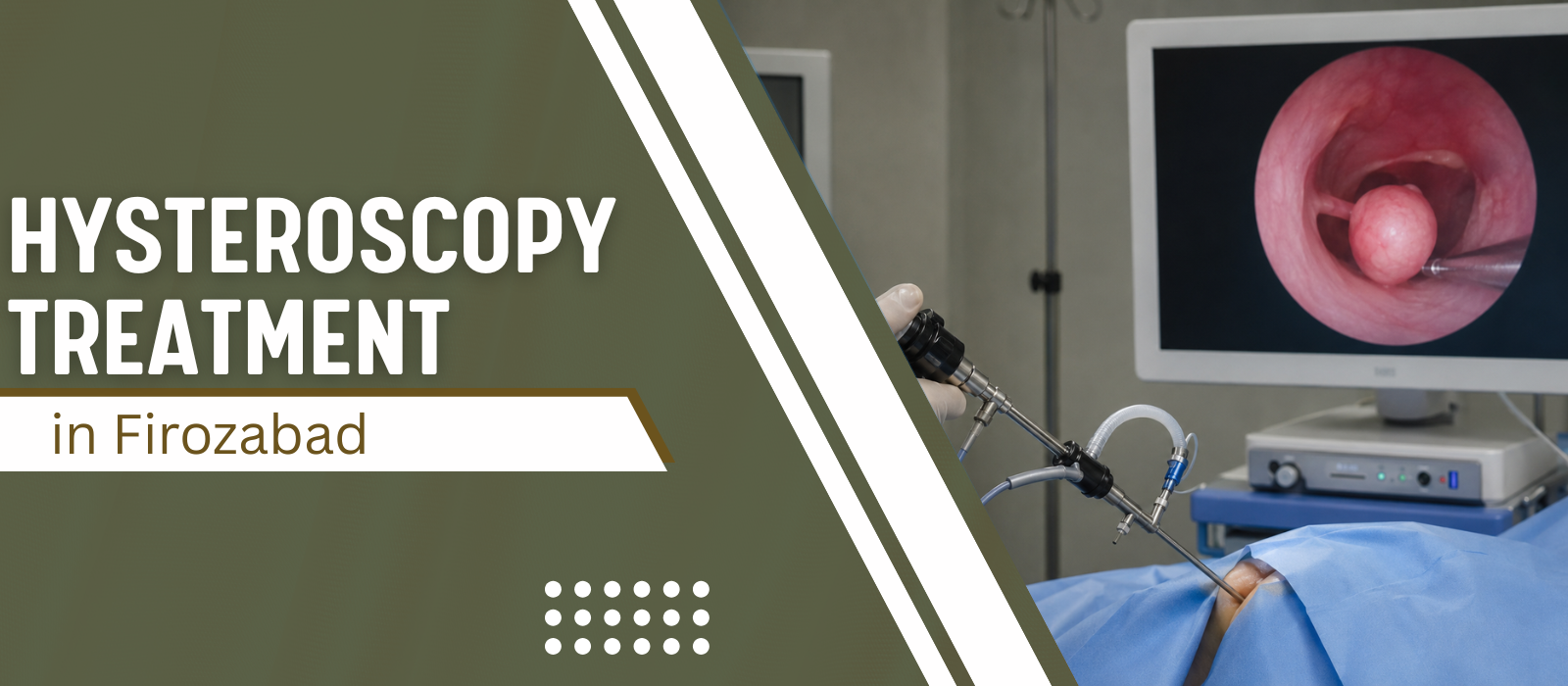
Hysteroscopy Treatment in Firozabad
Many women in Firozabad live for years with heavy periods, unexplained bleeding, or repeated pregnancy loss without ever knowing what is happening inside their uterus. Routine ultrasounds often miss the smaller culprits like polyps, intrauterine adhesions, a thin septum, or a submucosal fibroid sitting just beneath the lining. Advanced hysteroscopy treatment in Firozabad changes that completely, since it lets the doctor see the uterine cavity directly and address what is found in the same sitting.
Dr. Pratibha Mittal, a trusted IVF doctor and gynaecologist in Firozabad, explains, “Ultrasound shows us the outside picture, but hysteroscopy shows us the truth inside. A patient who has been told her reports are normal for years can finally get a clear answer in less than thirty minutes. That clarity is often the turning point in her fertility journey.”
At Mittal Nursing Home & IVF Centre, hysteroscopy is performed in a setup that was the first of its kind in Firozabad. Both simple diagnostic checks and advanced operative procedures are done under one roof, so patients no longer have to travel to Delhi or Agra for something that can be handled safely and skilfully right here.
Curious what hysteroscopy can actually identify and fix? Let’s look at the conditions where it makes the biggest difference.
Introduction to Hysteroscopy Treatment
Hysteroscopy is a minimally invasive gynaecological procedure that allows a fertility specialist to look directly inside the uterus using a thin, lighted instrument called a hysteroscope, which is gently passed through the cervix into the uterine cavity without any cuts or external incisions, leaving no mark on the body.
What makes hysteroscopy treatment so valuable is that it does two jobs in one sitting; it diagnoses what is going on inside the uterus, and in many cases, treats the problem during the same procedure. A fibroid that needs removing, a polyp that is causing bleeding, or a septum that is interfering with pregnancy can all be handled through the same scope using fine surgical instruments passed alongside it.
In Dr. Pratibha Mittal’s experience as one of the leading IVF doctor in Firozabad, hysteroscopy has changed the way uterine conditions are managed, since what used to require open surgery, longer hospital stays, and weeks of recovery can now often be done as a day-care procedure where patients walk in, the issue is addressed, and they walk out the same day.
Conditions Treated with Hysteroscopy in Firozabad
Not every patient who walks into the clinic needs hysteroscopy, but when the symptoms or the reports point a certain way, it becomes one of the most useful tools in a gynaecologist’s hands. Here are the conditions where hysteroscopy treatment in Firozabad genuinely makes a difference:
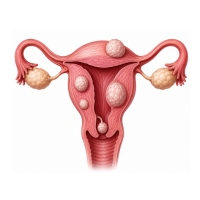
Uterine Fibroids
Submucosal fibroids that grow inside the uterine cavity can be removed through hysteroscopy without any abdominal incision, making fibroid treatment in Firozabad faster and far less invasive.
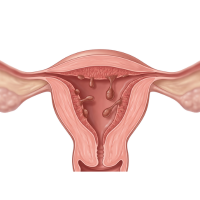
Endometrial Polyps
Small growths in the uterine lining that often cause irregular bleeding or fertility issues, easily removed through the scope for clean diagnostic and therapeutic results.
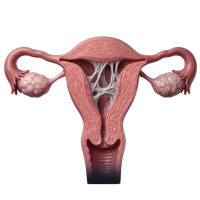
Asherman's Syndrome
Scar tissue inside the uterus, usually from a previous D&C or infection, which hysteroscopy can carefully release to restore the uterine cavity.
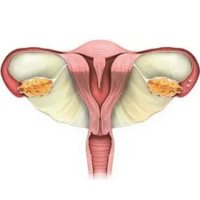
Uterine Septum
A congenital wall dividing the uterus, often linked to recurrent miscarriage, which can be cut through hysteroscopy to restore a normal cavity and improve pregnancy outcomes.
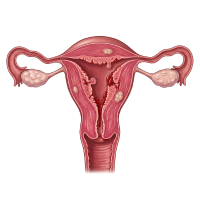
Abnormal Uterine Bleeding
Heavy periods, bleeding between cycles, or post-menopausal bleeding where hysteroscopy helps find the exact cause that ultrasound alone may miss.

Recurrent Miscarriage
When pregnancy keeps ending in early loss, hysteroscopy can identify uterine factors that other tests miss, often opening the path to ICSI treatment or other assisted reproductive options.
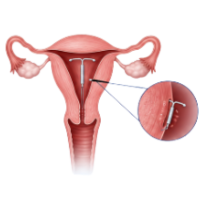
Lost or Retained IUD
A copper-T or similar intrauterine device that has shifted out of place can be retrieved precisely through the scope.
Pre-IVF Evaluation
Before IVF begins, hysteroscopy confirms that the uterine cavity is healthy and ready to accept an embryo, improving overall success rates.
Don’t ignore unusual bleeding or unexplained fertility issues. Get in touch with a professional and get the right diagnosis early.
Want clear answers in less than thirty minutes? Let’s explore how hysteroscopy can help.
The Hysteroscopy Procedure Step by Step
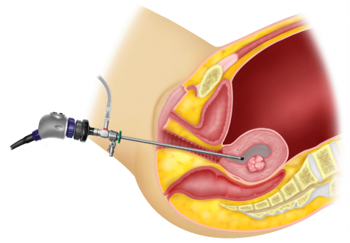
Most patients walk into the clinic carrying a quiet fear about the procedure itself, which is completely understandable, but once they understand what actually happens during the hysteroscopy procedure, the anxiety usually lifts. Here is the procedure, step by step:
Pre-Procedure Counselling
Dr. Mittal personally reviews your reports, explains what she expects to find, and walks you through every step with clear answers to your questions.
Anaesthesia
Diagnostic hysteroscopy is often done without anaesthesia or with mild sedation, while operative hysteroscopy is performed under short general anaesthesia so you feel absolutely nothing.
Cervix Dilation
The cervix is gently widened just enough to allow the hysteroscope to pass through, in a quick and gentle step.
Insertion of Hysteroscope
The thin, lighted scope is passed through the vagina and cervix into the uterus, and a clear fluid or gas is introduced to expand the uterine cavity for clear visualisation.
Visual Examination
The inside of the uterus is viewed on a high-definition monitor in real time, where Dr. Mittal examines every part of the cavity, the openings of the fallopian tubes, and the endometrial lining itself.
Surgical Correction
If a polyp, fibroid, septum, or adhesion is found, fine surgical instruments are passed through the scope and the problem is addressed in the same sitting, with no second surgery needed.
Recovery & Discharge
The entire hysteroscopy procedure takes 15 to 45 minutes depending on what is being treated, and after a brief rest, most patients go home the same day.
The advanced hysteroscopy setup at Mittal Nursing Home & IVF Centre matches the standard you would find at a top-tier metro hospital, with the difference being that you do not have to leave Firozabad and you are treated by a doctor who personally knows your case from start to finish.
Benefits of Hysteroscopy Treatment
There is a reason hysteroscopy has quietly become one of the most preferred procedures in modern gynaecology, since the benefits are practical and they matter in everyday life:
No External Incisions
Nothing is cut on the outside of your body, which means no scars, no stitches, and no marks.
Same-Day Discharge
Most patients leave the clinic within a few hours of the procedure as part of a day-care experience.
Quick Recovery
Mild cramping or spotting for a day or two is common, and most women return to normal routine within 48 hours.
Diagnosis and Treatment in One Sitting
If something is found, it is treated immediately, so you do not come back for a second surgery.
High Diagnostic Accuracy
What an ultrasound can miss, a hysteroscope sees directly, and the difference in diagnostic clarity is significant.
Fertility Preservation
Hysteroscopy is particularly safe for women planning future pregnancies, since the uterus is left intact for natural conception or assisted reproductive treatment.
Improved IVF Outcomes
In couples preparing for IVF treatment or IUI, hysteroscopy often raises pregnancy success rates by identifying and correcting hidden uterine issues before embryo transfer.
The Hysteroscopy Procedure Step by Step
Good preparation makes the procedure smoother and the recovery faster. Here is what Dr. Pratibha Mittal recommends to every patient scheduled for hysteroscopy treatment in Firozabad at Mittal Nursing Home & IVF Centre:
Pre-Operative Tests
Routine blood tests, an ECG if needed, and a pelvic ultrasound are completed a few days before the procedure.
Timing in the Menstrual Cycle
Hysteroscopy is usually scheduled in the first half of your cycle, soon after the period ends, when the uterine lining is thinnest and visibility is best.
Fasting Before the Procedure
If general anaesthesia is planned, you will be asked to avoid food and water for 6 to 8 hours before the procedure.
Medication Review
Inform Dr. Mittal about any blood thinners, diabetes medication, or supplements you are taking, since some may need to be paused.
Comfortable Clothing & A Companion
Wear loose, comfortable clothes and have a family member or close friend accompany you, since you should not drive home after sedation.
Mental Preparedness
This is a small procedure, but it is still a procedure, and a calm mind helps, so ask every question you have before the day to walk in feeling informed and supported.
Recovery and Aftercare Post-Hysteroscopy
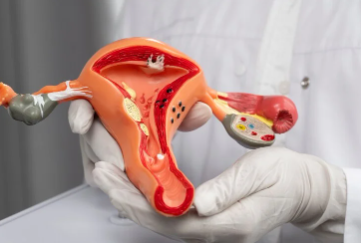
Recovery from hysteroscopy is usually one of the easiest parts of the journey, and most women describe it as mild and very manageable. Here is what to expect and what Dr. Mittal advises during the recovery phase:
Light Cramping
Similar to mild period pain, usually for a day or two, where paracetamol is generally enough to manage it.
Spotting or Light Bleeding
A small amount of bleeding for two to three days is normal, with sanitary pads preferred over tampons.
Rest for the First Day
Take it easy for the first 24 hours, since most patients return to office or household routine within two days.
Avoid Intercourse for Two Weeks
This gives the uterus time to heal fully and reduces the chance of infection.
No Swimming or Tub Baths
Showers are fine, but avoid swimming pools, tub baths, and saunas for at least a week.
Watch for Warning Signs
Fever, heavy bleeding, or severe abdominal pain are not normal, and you should contact the clinic immediately if any of these appear.
Follow-Up Visit
A follow-up consultation is scheduled within one to two weeks so Dr. Mittal can review the findings and discuss the next steps in your fertility care plan, which may include IUI treatment depending on your case.
Risks and Complications of Hysteroscopy
Hysteroscopy is one of the safest gynaecological procedures performed today, and at Mittal Nursing Home & IVF Centre, complications are rare, though honest medicine means full transparency. Here are the possible risks, kept in proper perspective:
Mild Discomfort
Some cramping and spotting for a day or two is common and expected, and not really a complication.
Infection
Very uncommon, where antibiotics are given when needed and sterile technique minimises this risk.
Uterine Perforation
A rare event where the scope creates a small opening in the uterine wall, which usually heals on its own without intervention.
Fluid Absorption
In long operative cases, the fluid used to expand the uterus can be absorbed by the body, and is monitored carefully throughout the procedure.
Anaesthesia-Related Risks
Standard and minimal for short procedures, since the pre-anaesthesia check rules out underlying concerns.
Failure to Complete
Occasionally, if the cervix is too narrow or the view is unclear, the procedure may be rescheduled, which is uncommon but possible.
In Dr. Pratibha Mittal’s hands, with the equipment available at Mittal Nursing Home & IVF Centre, hysteroscopy has consistently delivered safe outcomes for hundreds of patients across the Firozabad region.
Looking for safe, advanced hysteroscopy care in Firozabad? Let’s discuss the right approach for you.
Why Choose Dr. Pratibha Mittal for Gynecology Treatment in Firozabad?

Several hospitals across Agra, Firozabad and Mathura offer gynaecological care, so why do patients specifically choose Dr. Pratibha Mittal for hysteroscopy treatment in Firozabad? Here is the honest answer:
First Hysteroscopy Centre in Firozabad
Mittal Nursing Home & IVF Centre was the first facility in Firozabad to introduce both simple and complex hysteroscopy procedures.
Premier Institutional Training
MS (Obs & Gynae) from Maulana Azad Medical College, New Delhi, with a Fellowship in Reproductive Medicine from Fortis Shalimar Bagh and MRCOG Part I from Royal College, UK.
High Volume, Consistent Outcomes
Dr. Mittal has performed a large number of hysteroscopic procedures with consistently safe and effective results across western Uttar Pradesh.
Diagnostic & Operative Expertise
From simple polyp removal to complex Asherman’s syndrome management, every case is handled in-house with no referrals elsewhere.
Honest, Evidence-Based Care
No unnecessary procedures are recommended, and if hysteroscopy is not needed, Dr. Mittal will say so, which is the kind of honesty patients consistently appreciate.
Direct Doctor Access
Patients can reach the clinic via call or WhatsApp at +91 9971356403, where quick clarification of doubts is part of the care here.
Years of unanswered symptoms can be resolved in one consultation. Connect with Dr. Pratibha Mittal today.
Ready to take charge of your uterine health? Let’s begin with a proper diagnosis.
FAQs
Is hysteroscopy a painful procedure?
No, diagnostic hysteroscopy causes only mild discomfort, and operative hysteroscopy is done under sedation, so you feel nothing during the procedure itself.
How long does a hysteroscopy take?
The hysteroscopy procedure usually takes between 15 and 45 minutes, depending on whether it is diagnostic or operative.
Can hysteroscopy improve fertility?
Yes, since removing polyps, fibroids, adhesions, or a septum often improves chances of natural conception and IVF success in Firozabad.
How soon can I try for pregnancy after hysteroscopy?
In most cases, you can begin trying after one or two normal menstrual cycles, and Dr. Mittal will confirm based on your specific case.
How do I book a hysteroscopy consultation with Dr. Pratibha Mittal?
Call +91 9971356403 or +91 9990848807, fill the contact form on the website, or reach out via WhatsApp at 2, Mathura Nagar, Vibhab Nagar, Firozabad, Uttar Pradesh 283203.