 English
 हिंदी
हिंदी
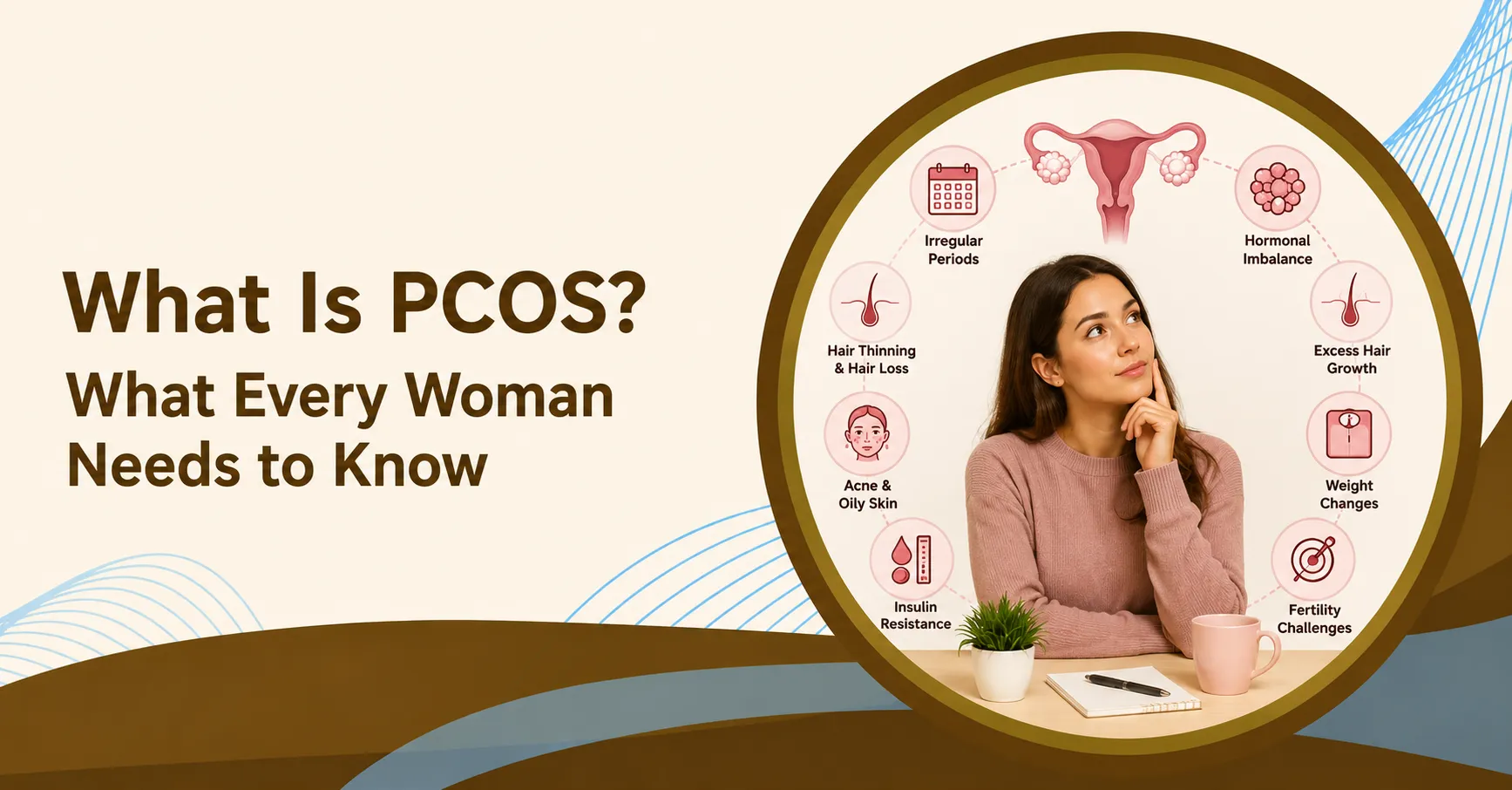
Polycystic Ovary Syndrome or PCOS is a common condition that affects women when they are of an age to have babies. A lot of women only find out about PCOS when they have problems with their periods or when they try to get pregnant. It does not happen.. Pcos is actually a long term condition that affects hormones and metabolism. Women can start to see signs of PCOS when they’re teenagers.. It can affect their health for a long time even after they are no longer able to have babies.
The most important part of PCOS management is identifying the signs and symptoms of PCOS in women at an early stage of the disease and knowing the significance. Early diagnosis and a thorough gynecological evaluation help women avoid the years of frustration and aggravation of having unexplained weight gain, acne, or irregular cycles.
“According to Dr. Pratibha Mittal, Gynecologist in Firozabad, “PCOS is frequently treated as a single diagnosis, but it isn’t one. It’s a hormonal and metabolic pattern that presents differently in every woman, which is why a standard protocol rarely works. The right treatment depends on which features are driving her symptoms — not the label itself.”
What Is PCOS?

Polycystic Ovary Syndrome (PCOS) is the medical term for the condition. A hormonal imbalance that results in excess androgens (male hormones) from the ovary and disrupts the normal process of ovulation. The diagnosis of PCOS is usually made when a woman has at least 2 of the following 3 characteristics:
- Avoidance of menstruation or irregular periods: when periods do not occur at regular intervals, they may not come at all or may come infrequently or late.
- Excess androgens: acne, excess facial or body hair, or hair thinning
- Multiple small, immature follicles seen on ultrasound: small cysts scattered around the ovary that don’t look very mature.
Since only two of these three is enough to be diagnosed as PCOS, it varies from person to person. Others may have textbook amenorrhea and clear skin, while others may have regular periods and visible symptoms of hair and skin. That’s why it’s easy to get confused with the symptoms of pcod and pcos in the day to day.
Is PCOD the Same as PCOS?
But no, it’s one of the most frequent questions we receive. Polycystic Ovarian Disease (PCOD) is a more general and less severe condition in which partially developed or immature egg cells are released from the ovary and over time turn into cyst. PCOS is a more complicated, hormonal and metabolic disorder, and more associated with insulin resistance, diabetes risk and fertility issues. All PCOS cases have symptoms involving their ovary, however not all PCOD cases have the deeper hormonal imbalance that is a hallmark of PCOS. Arguably the best way to determine which one applies to you is to consult with a gynecologist in person and not solely based on the symptoms.
Not sure if what you’re experiencing is PCOS, PCOD, or something else entirely?
A proper evaluation can tell you exactly what’s going on and what to do about it.
PCOS Starting Symptoms What to Watch For

A lot of women don’t get the diagnosis of PCOS one day, it’s a gradual development with symptoms that can be attributed to stress or genetics for years. Here are the early PCOS symptoms in females worth paying attention to:
- Irregular periods: Missed periods for months, irregular periods (those that last longer than 35 days) or periods that are unpredictable. This is typically the earliest and most regular symptom.
- Persistent hormonal acne: typically appearing on the chin, jawline, and other areas and recurring after conventional treatment.
- Excess hair growth (hirsutism): due to increased androgens on upper lip, chin, chest and abdomen.
- Thinning hair at the crown or temples: norovirus-like pattern baldness, particularly for younger ladies, that is both upsetting and alarming.
- Weight gain around the abdomen: not proportionate to diet/exercise and associated with insulin resistance.
- Darkened skin patches (acanthosis nigricans): typically in the neck crease, armpits or under the breasts.
- Mood changes: anxiety, irritability or low mood, which is reported much more frequently in women with PCOS.
If you have two or more of these symptoms it may be a good idea to have them checked out instead of waiting them out PCOS doesn’t go away on its own and the sooner it is treated, the easier it will be to manage.
PCOS and Fertility: What You Should Know
After a diagnosis of PCOS, one of the primary concerns women have is if they will be able to conceive. The short answer is: many women with PCOS conceive naturally after they regulate their ovulation, and those who require additional assistance can find a number of good solutions depending on their individual situation.
- Lifestyle and ovulation induction frequently the initial approach particularly for women first attempting to conceive
- IUI Treatment When ovulation is stimulated, but timing requires medical assistance, IUI Treatment is an excellent choices.
- IVF Treatment recommended when other approaches haven’t worked, or when additional fertility factors are involved
- ICSI Treatment Only in certain cases one may require additional support for the egg or sperm and ICSI treatment may be used in conjunction with IVF.
Which path is right depends entirely on your individual hormonal profile, age, and how your ovaries are responding which is why a personalized evaluation matters more than a generic treatment protocol.
Wondering how PCOS might be affecting your fertility, specifically?
A tailored fertility assessment can map out exactly what your options look like.
How PCOS Is Diagnosed and Managed

PCOS is a condition that needs to be managed, rather than cured and that’s not a bad thing, as regular cycles, clear skin, stable weight and a healthy pregnancy when you’re ready for one are all good signs of managing PCOS. A common strategy is:
- Clinical evaluation In-depth cycles, symptom and family history evaluation
- Hormonal blood work to evaluate levels of androgens, and insulin resistance markers, and thyroid function.
- Pelvic ultrasound to evaluate the appearance of the ovary and eliminate other causes.
- A personalized treatment plan incorporates lifestyle changes, medication (including insulin sensitizers or hormonal regulation) and fertility support (when you are trying to conceive)
That’s where the help of a dedicated gynecology and fertility clinic can be particularly beneficial: PCOS management is not a one-size-fits-all situation and your treatment should be customized to your hormone profile, not some checklist.
Conclusion
PCOS affects women in ways but one thing is clear: PCOS does not usually go away by itself and it gets better with treatment that is given early and is complete. If you are getting periods for the first time or you have been dealing with PCOS symptoms for a long time you need to know about PCOS and work with a specialist. For women who want Gynecology Treatment, in Firozabad picking the specialist is important because they can help you with PCOS in a complete way not just help with individual PCOS symptoms but also with the whole PCOS condition.
Frequently Asked Questions
Is PCOS the same as having ovarian cysts?
Not exactly. The “polycystic” appearance refers to multiple small, immature follicles on the ovaries not the larger fluid-filled cysts some women think of. It’s one of three diagnostic features, not the condition itself.
Can PCOS symptoms appear in your teens?
Yes. Irregular periods, acne, and excess hair growth can all show up in adolescence, which is why early recognition matters many women live with undiagnosed symptoms for years before seeking help.
Does having PCOS mean I can't get pregnant?
No. Many women with PCOS conceive naturally once ovulation is regulated, and others succeed with support such as ovulation induction, IUI, or IVF depending on their individual case.
Is weight loss necessary to manage PCOS?
Not always, but for women who are overweight, even a modest reduction can meaningfully improve insulin resistance and ovulation. PCOS also affects women at a healthy weight, so treatment isn’t only about weight.
How is PCOS different from PCOD?
PCOD is a more general ovarian condition; PCOS is a broader hormonal and metabolic syndrome with a stronger link to insulin resistance and long-term health risk. A clinical evaluation is the only reliable way to tell which one applies to you.